Guru-Adab Morcha, Lok-Raj Punjab oppose Anti-Sacrilege Law; To move SC over juristic status of Sri Guru Granth Sahib Ji
Babushahi Bureau
Chandigarh, April 22, 2026: ‘Guru-Adab’ Morcha Sirhind and ‘Lok-Raj’ Punjab have strongly criticised the recently enacted anti-sacrilege law concerning Guru Granth Sahib, terming it “partial” and a “contemptuous circumvention” of the Supreme Court’s recognition of the scripture as a juristic person.
Addressing the media, Manjit Singh Randhawa, Convener of the Morcha and President of Lok-Raj Punjab, said the organisations have decided to move the Supreme Court of India with a contempt petition to seek enforcement of the “juristic person” status granted to the Guru Granth Sahib, revered in Sikh faith as the “Living Guru.”
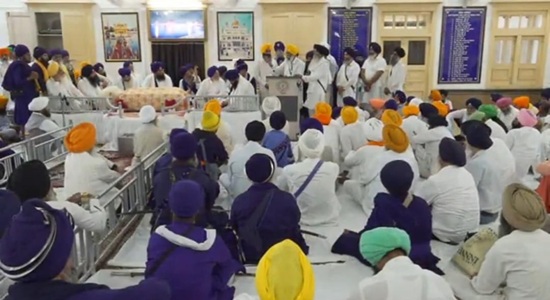
He alleged that instead of framing a comprehensive law to protect the juristic status of the scripture, the Punjab Government has introduced an amendment that fails to address the core issue of preventing sacrilege incidents.
He further claimed that the law shifts responsibility onto devotees and gurdwara management committees without clearly defining their legal rights for protection.
Raising concerns over provisions of the new Act, Randhawa argued that it does not adequately recognise the legal status of the Guru Granth Sahib as affirmed by the apex court, and instead treats it as a religious text under conventional sacrilege provisions.
The organisations also questioned the government’s handling of past sacrilege cases, alleging delays and lack of accountability, including in the 2015 Bargari incident. They claimed that despite strict legal provisions, effective enforcement remains a challenge due to gaps in governance and investigation.
Criticising certain clauses, Randhawa further alleged that provisions related to identification and custodianship could lead to unnecessary interference in the publication and distribution of the scripture.
The groups maintained that a more robust legal framework aligned with constitutional principles and judicial precedents is required to ensure protection of religious sentiments and prevent future incidents.